
Blog
Exhibition 3D stall model design in yashobhoomi dwarka delhi india

Tashfa Art Exhibition 3D Stall Model Design at Yashobhoomi Dwarka, Delhi – A Complete Guide
Introduction
Exhibition stall design plays a big role in how art showcases are remembered. Exhibition 3D stall model design in yashobhoomi dwarka delhi India A well-made stall grabs attention and helps tell the story behind the artworks. Recently, Tashfa Art took this to the next level with its stunning 3D stall at Yashobhoomi Dwarka, Delhi. This new approach doesn’t just attract visitors; it boosts the visibility of the art and the artists involved. In this guide, we’ll explore what makes an effective exhibition stall and why Tashfa Art’s 3D design stands out.

The Significance of 3D Stall Models in Art Exhibitions
Why 3D Stall Models Are Essential for Modern Exhibitions

3D models turn plain stalls into immersive art experiences. They catch the eye from far away and invite visitors to explore further. A realistic 3D stall can tell a story better than a simple flat display. High-quality 3D models have been used successfully in major art fairs around the world, creating buzz and drawing crowds.

Benefits of Custom-Designed Stalls for Artists and Organizers
Designed with care, these stalls boost foot traffic and encourage visitors to stay longer. They help organize the space well, making sure each artwork gets noticed and flows naturally. Data shows visitors respond better to unique, creative setups, which means organizers see more engagement and positive feedback.

Industry Trends in Exhibition Stall Design
Today, more event creators are using 3D modeling software to plan and visualize their stalls before building them live. Digital tech is now part of physical displays, blending virtual elements with real-world art. Experts say that this mix improves visitor experiences and gives organizers more control over every detail.
Designing the Tashfa Art 3D Stall Model for Yashobhoomi Dwarka
Concept Development and Artistic Vision
First, Tashfa Art focused on understanding its brand identity and what the exhibition aimed to showcase. A theme was crafted that reflects both traditional and modern art influences, making the space appealing to a wide audience. Collaboration with artists and designers helped craft a cohesive story that ties the artworks together.
Architectural and Structural Considerations
Choosing the right materials was key. The team used lightweight yet sturdy materials suitable for large-scale models. Modular design elements ensured the stall could be assembled easily and adapted if needed. Accessibility and safety were built into the structure, making sure everyone could enjoy the display safely.
Integrating Technology and Digital Elements
The latest tech was added to maximize interaction. Visitors could use AR (Augmented Reality) or VR (Virtual Reality) to experience artwork up close or explore hidden details. LED screens, special lighting, and soundscapes created an immersive atmosphere. Globally, some of the most impressive art stalls now feature these high-tech touches.
Artistic Detailing and Aesthetic Appeal
Tashfa Art infused its stall with textures, colors, and motifs that reflect their style. The goal was to balance art and function. Sharp visual details and aesthetic touches made the space inviting while highlighting the artworks’ beauty. Expert tips recommend maintaining art integrity even when working within structural limits.
Key Features of Tashfa Art’s 3D Stall at Yashobhoomi
Innovative Structural Design
The layout maximizes space, allowing artwork, sculptures, and installations to shine. Unique structural elements draw visitors in and guide their journey through the exhibit. The design considers how people move, ensuring a smooth flow and comfortable viewing experience.
Visual and Artistic Elements
Vibrant visuals, sculptures, and installations are woven into the stall. Tashfa Art combines traditional and modern influences, giving visitors a rich visual story. Bright colors and eye-catching displays make each piece stand out.
Interactive and Multimedia Components
Visitors can touch, explore, and engage with artwork through multimedia tools. Augmented reality posters or digital showcases turn passive viewing into active participation. These features make the experience memorable and encourage sharing.
Sustainability and Eco-Friendly Practices
The team used sustainable methods wherever possible—recycling materials and choosing energy-efficient lights. Reducing environmental impact was a priority from start to finish. This approach not only benefits the planet but also promotes responsible event planning.
Execution and Project Management
Planning and Timeline
Designing, prototyping, and building took careful planning. Clear timelines kept everything on track, from initial sketches to the grand setup at Yashobhoomi. Communication with authorities and stakeholders was constant to ensure smooth execution.
Challenges and Solutions
Logistics can be tricky with large models. Material procurement and transportation posed hurdles, but creative solutions kept the project moving. For example, modular parts made assembly faster and easier on site.
Collaboration and Communication
Multiple teams of designers, engineers, and artists worked together closely. Regular meetings ensured everyone stayed aligned. Clear channels of communication meant problems were solved quickly and the project stayed on schedule.
Impact and Reception of Tashfa Art’s 3D Stall at Yashobhoomi
Visitor Engagement and Feedback
Crowds loved the stall. Interactivity and visual appeal kept visitors engaged longer. Many visitors shared positive comments about how the setup made the artworks come alive. Media coverage praised its innovative approach.
Artist and Organizer Experiences
Artists appreciated the enhanced display of their work. Organizers noted increased footfall and better visitor flow. Lessons learned included the importance of early planning for tech integration and eco-friendly choices.
Broader Influence on Exhibition Design Trends
The success of Tashfa Art’s stall has set new standards. It encourages others to embrace creativity and technology in display design. This project inspires future exhibitions across India and beyond to think bigger and more sustainably.
Conclusion
Creating a memorable exhibition stall involves more than just displaying art. It’s about blending creativity, technology, and practicality into a cohesive experience. Tashfa Art’s innovative 3D stall at Yashobhoomi Dwarka shows what’s possible when design meets vision. Exhibition 3D stall model design in yashobhoomi dwarka delhi India Exhibition 3D stall model design in yashobhoomi dwarka delhi India Exhibition 3D stall model design in yashobhoomi dwarka delhi India Exhibition 3D stall model design in yashobhoomi dwarka delhi India Exhibition 3D stall model design in yashobhoomi dwarka delhi India Exhibition 3D stall model design in yashobhoomi dwarka delhi India Exhibition 3D stall model design in yashobhoomi dwarka delhi India Exhibition 3D stall model design in yashobhoomi dwarka delhi India Exhibition 3D stall model design in yashobhoomi dwarka delhi India Exhibition 3D stall model design in yashobhoomi dwarka delhi India Exhibition 3D stall model design in yashobhoomi dwarka delhi India Exhibition 3D stall model design in yashobhoomi dwarka delhi India Exhibition 3D stall model design in yashobhoomi dwarka delhi India Exhibition 3D stall model design in yashobhoomi dwarka delhi India Exhibition 3D stall model design in yashobhoomi dwarka delhi India Exhibition 3D stall model design in yashobhoomi dwarka delhi India Exhibition 3D stall model design in yashobhoomi dwarka delhi India Exhibition 3D stall model design in yashobhoomi dwarka delhi India Exhibition 3D stall model design in yashobhoomi dwarka delhi India Exhibition 3D stall model design in yashobhoomi dwarka delhi India
If you’re planning an art exhibition, prioritize immersive design and eco-friendly practices. Use technology to connect with visitors and make your display unforgettable. The future of exhibitions is bright, filled with bold ideas and innovative structures. Start imagining your next show today!
Introduction to Exhibition 3D Stall Model Design
In the vibrant landscape of exhibition design, 3D stall models play a pivotal role in attracting attention, conveying brand identity, and creating immersive experiences. Tashfa Art, known for its expertise in signage and exhibition solutions, excels in crafting bespoke 3D stall models that stand out in exhibitions like Yashobhoomi, Dwarka, Delhi.
Importance of 3D Stall Models
- Visual Impact: The three-dimensional nature of these stalls instantly captivates visitors, making a lasting impression.
- Brand Representation: Each stall is meticulously designed to reflect the brand’s ethos, products, and services.
- Engagement: Interactive elements and strategic layout encourage visitor engagement, driving footfall and interactions.
Tashfa Art’s Approach to Design
- Customization: Tailoring designs to match client specifications and exhibition requirements.
- Material Innovation: Utilizing high-quality materials for durability and aesthetic appeal.
- Technology Integration: Incorporating LED displays, digital signage, and interactive features for enhanced visitor experience.
Case Studies and Success Stories
Highlighting successful projects at Yashobhoomi, Dwarka, Delhi, showcasing Tashfa Art’s versatility and creativity in designing 3D stall models across various industries.
Steps in Designing a 3D Stall Model
- Conceptualization: Initial brainstorming sessions to understand client goals and exhibition theme.
- Design and Development: Using advanced software and techniques to create detailed 3D models.
- Production and Installation: Ensuring seamless execution from production to on-site installation.
Client Testimonials
Insights from satisfied clients about their experience with Tashfa Art’s 3D stall designs, emphasizing reliability, innovation, and impact.
Future Trends in Exhibition Design
Exploring upcoming trends such as sustainable materials, augmented reality integration, and adaptable designs for post-pandemic exhibitions.
Conclusion
Summarizing Tashfa Art’s commitment to excellence in exhibition 3D stall model design, reaffirming their position as a leader in the industry.
Tashfa Art – Expert in Exhibition 3D Stall Model Design at Yashobhoomi, Dwarka, Delhi, India
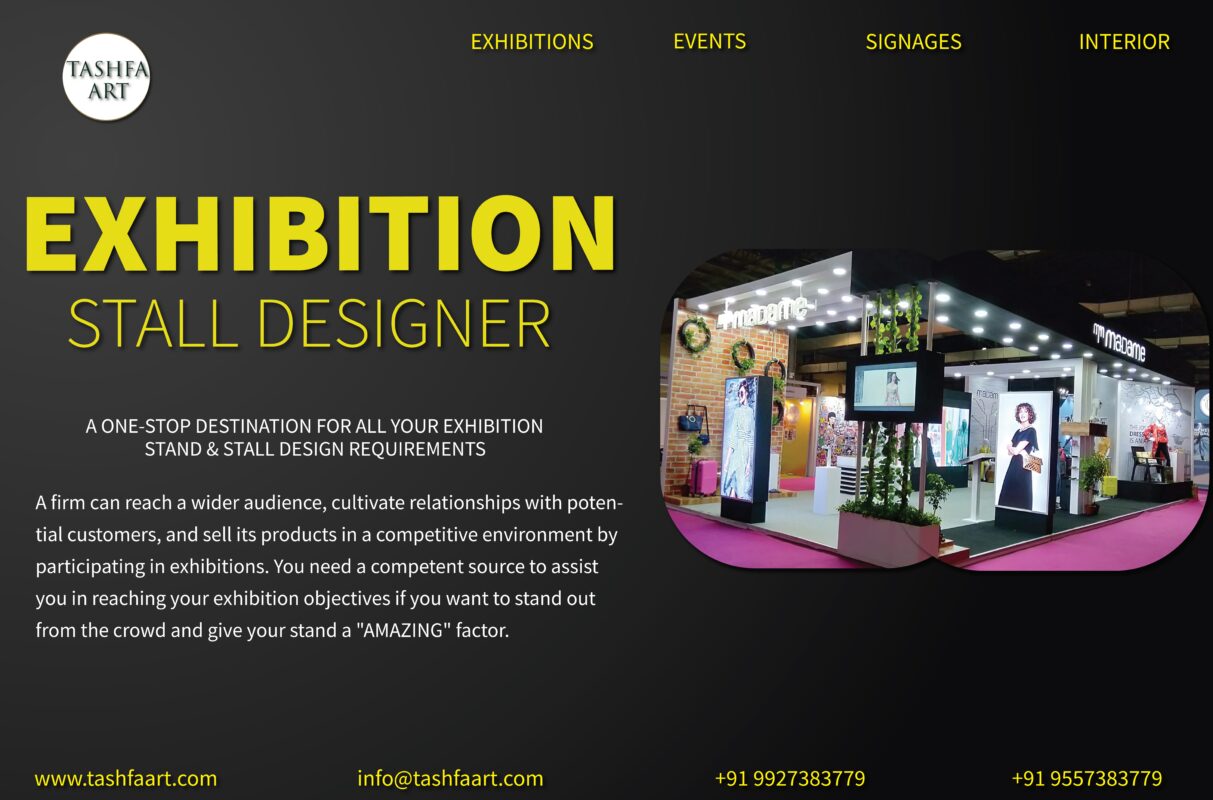
Tashfa Art is a creative and professional exhibition design company specializing in 3D stall model design and custom-built exhibition booths for events at Yashobhoomi (India International Convention & Expo Centre – IICC), Dwarka, Delhi. With a deep understanding of space utilization, brand visibility, and modern design aesthetics, Tashfa Art transforms ideas into stunning 3D models that elevate the presence of businesses in high-profile exhibitions.
From concept development and 3D visualization to fabrication and on-site execution, Tashfa Art ensures every stall is visually striking, brand-aligned, and highly functional. Whether it’s a compact space or a large pavilion, the team creates detailed 3D models that help clients visualize their stalls before fabrication, ensuring complete satisfaction and design accuracy. Exhibition 3D stall model design in yashobhoomi dwarka delhi India Exhibition 3D stall model design in yashobhoomi dwarka delhi India Exhibition 3D stall model design in yashobhoomi dwarka delhi India Exhibition 3D stall model design in yashobhoomi dwarka delhi India Exhibition 3D stall model design in yashobhoomi dwarka delhi India Exhibition 3D stall model design in yashobhoomi dwarka delhi India Exhibition 3D stall model design in yashobhoomi dwarka delhi India Exhibition 3D stall model design in yashobhoomi dwarka delhi India Exhibition 3D stall model design in yashobhoomi dwarka delhi India Exhibition 3D stall model design in yashobhoomi dwarka delhi India
Backed by years of experience and a skilled in-house team, Tashfa Art brings innovation, precision, and professionalism to every exhibition project in Yashobhoomi. The result? High-impact exhibition stalls that attract attention, engage visitors, and deliver results.