
Blog
facade signage business signs for building

The Ultimate Guide to Facade Signage: Elevating Business Visibility with Exterior Building Signs
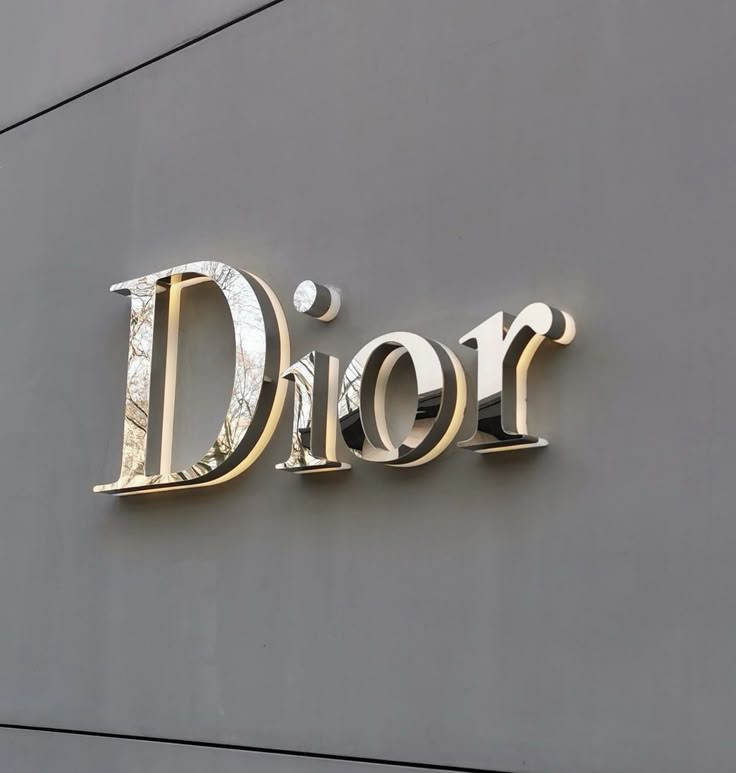
In the modern commercial landscape, facade signage business signs for building, your building’s exterior is more than just a structural shell—it is your most powerful marketing asset. Facade signage acts as the face of your business, providing the first point of interaction between your brand and a potential customer. Whether you operate a high-end boutique, a corporate headquarters, or a local restaurant, the quality, design, and placement of your business signs for buildings can be the difference between a passerby walking in or walking past.
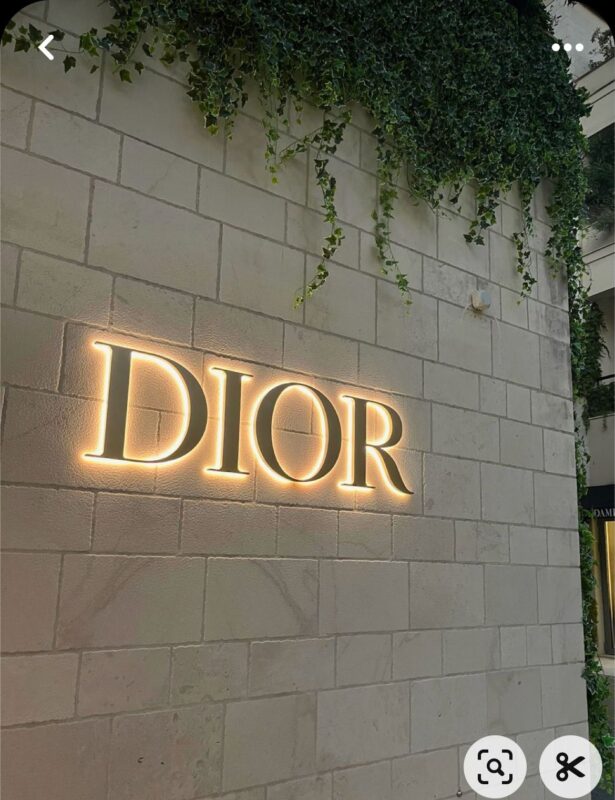
This guide explores everything you need to know about facade signage, from the psychological impact of design to the technical specifications of materials and the latest trends for 2025.
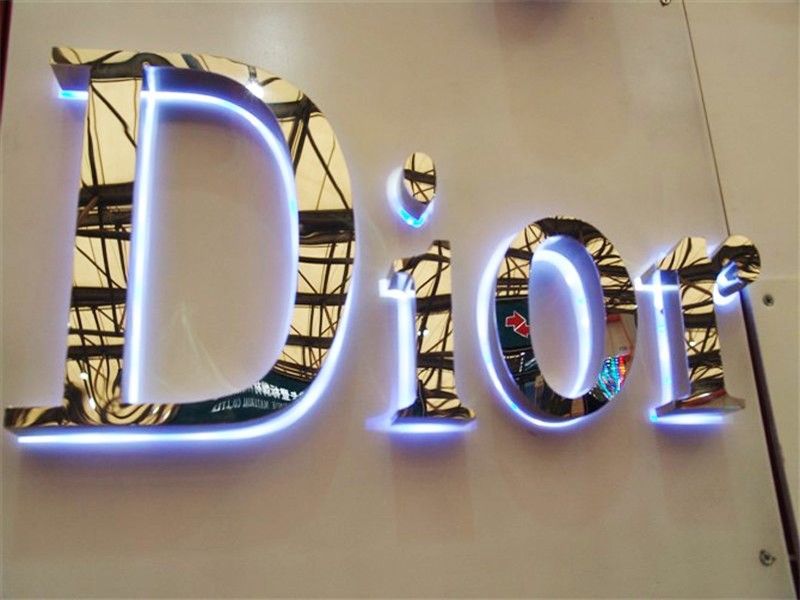
1. Why Facade Signage is Critical for Business Success
Before diving into types and materials, it is essential to understand the strategic value of exterior signage. It is not merely a “label” for your building; it is a multi-functional tool.
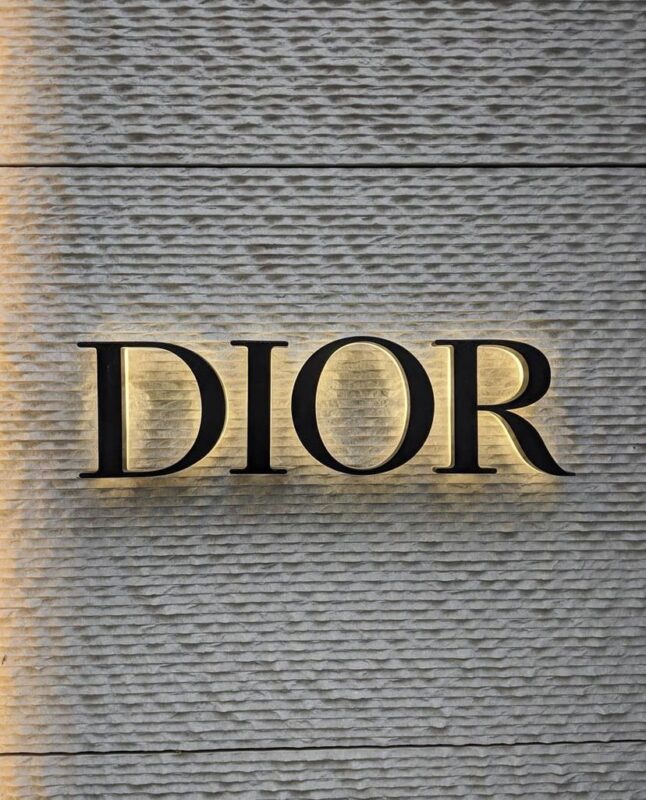
A. The “Silent Salesman”
Research shows that high-quality signage can increase foot traffic by up to 20% to 45%. In many ways, a facade sign is a “silent salesman” that works 24/7, 365 days a year. It never takes a day off and provides a constant ROI compared to digital ads that disappear once the budget is spent.
B. Building Brand Recognition
Consistency is the cornerstone of branding. When your building facade features your logo, brand colors, and typography, it reinforces your identity in the minds of the local community. This repeated exposure builds trust—customers are more likely to choose a business they recognize.
C. Navigational Ease and Wayfinding
In a crowded urban environment, a bold, clear sign helps customers locate you. If a customer struggles to find your entrance, they may experience “shopper frustration,” leading them to seek out a competitor with better visibility.
2. Popular Types of Facade Signs for Buildings
Choosing the right style of sign depends on your building’s architecture, your brand personality, and local zoning laws.
Channel Letters (3D Illuminated Signs)
Channel letters are the industry standard for retail and corporate buildings. They consist of individual, three-dimensional letters, often made of aluminum and acrylic.
- Front-Lit: The most common type, where light shines through the acrylic face.
- Back-Lit (Halo Effect): The light reflects off the wall behind the letter, creating a sophisticated, “glowing” silhouette.
- Open-Face: Often used for a “neon” or vintage look where the internal lighting (LED or neon) is visible.
Blade Signs (Projecting Signs)
Mounted perpendicularly to the building facade, blade signs are essential for areas with high pedestrian traffic. Since people walking on a sidewalk look straight ahead rather than up at a flat wall, a blade sign catches their eye from a distance.
Cabinet or Box Signs
A cost-effective and durable option, cabinet signs consist of a metal frame with a translucent face (usually acrylic or polycarbonate). These are great for businesses with complex logos that would be difficult to replicate in individual 3D letters.
Dimensional Lettering (Non-Illuminated)
For a sleek, professional look that doesn’t require a power source, dimensional letters made from metal, wood, or high-density foam are an excellent choice. They rely on external spotlights for nighttime visibility.
Awning Signs
Awnings serve a dual purpose: they provide shelter from rain and sun while acting as a large canvas for your brand name and logo. These are particularly popular for cafes, restaurants, and hotels.
3. Materials Matter: Choosing for Durability and Style
Exterior signs must withstand harsh UV rays, wind, rain, and snow. Selecting the right material ensures your investment lasts for a decade rather than a few years.
| Material | Best For | Pros | Cons |
| Aluminum | Most Building Signs | Rust-proof, lightweight, highly durable. | More expensive than plastic. |
| Acrylic / Plexiglass | Illuminated Faces | Great light transmission, available in many colors. | Can become brittle in extreme cold. |
| Stainless Steel | Corporate / High-End | Premium, “luxury” feel, extremely strong. | Heavy; requires sturdy mounting. |
| HDU (High-Density Urethane) | Carved / Rustic | Looks like wood but won’t rot or warp. | Not suitable for thin, delicate designs. |
| ACM (Aluminum Composite) | Large Panels / Backings | Very flat, rigid, and cost-effective for large areas. | Industrial aesthetic. |
4. Signage Design Best Practices for 2025
Design is where art meets science. To maximize the effectiveness of your facade signage, follow these professional design principles:
The Rule of Readability (Contrast)
High contrast is the secret to a readable sign. Dark text on a light background (or vice-versa) ensures the human eye can process the information quickly.
- Best Combinations: Black on White, White on Navy, Yellow on Black.
- Avoid: Red on Green or Blue on Black (vibrating colors that are hard to read).
Size and Scale
A general rule for signage visibility is the 10-by-100 Rule: for every 10 feet of viewing distance, you need 1 inch of letter height. If your building is 200 feet from the road, your letters should be at least 20 inches tall.
Minimalism and Clarity
Don’t clutter your facade. A sign should typically include:
- Your Brand Logo
- Your Business Name
- A Tagline (Optional, only if the name isn’t descriptive)
5. Lighting and Illumination Trends
As we move into 2025, LED technology has completely revolutionized building signage.
- RGB LED Integration: Many modern facade signs now use programmable LEDs that can change color for holidays, special events, or brand refreshes.
- Eco-Friendly Lighting: Modern LEDs consume up to 80% less energy than traditional neon or fluorescent bulbs, making them better for the environment and your utility bill.
- Solar-Powered Signage: For businesses aiming for LEED certification or sustainability, solar-integrated signage is becoming a popular way to light facades without drawing from the grid.
6. Navigating Permits and Regulations
One of the most overlooked aspects of facade signage is the legal requirement. Most cities have strict “Sign Codes” that dictate:
- Total Square Footage: Often based on the width of your storefront (e.g., 2 square feet of sign for every 1 linear foot of building).
- Projection Limits: How far a sign can stick out over a public sidewalk.
- Brightness (Nits): Limits on how bright an illuminated sign can be at night to prevent light pollution.
Pro Tip: Always hire a signage partner who handles the permitting process. They understand local zoning laws and can prevent you from installing a sign that the city might later force you to remove.
7. The Psychology of Color in Building Signs
Color triggers emotional responses. Choosing the right palette for your facade can subconsciously influence how a customer feels about your brand:
- Blue: Trust, professionalism, stability (Banks, Law Firms).
- Red: Urgency, excitement, appetite (Fast Food, Retail Sales).
- Green: Health, growth, sustainability (Organic Grocers, Wellness Centers).
- Black/Gold: Luxury, exclusivity, high-end (Boutiques, Five-Star Hotels).
8. Maintenance: Keeping Your Facade Looking Fresh
A dirty or broken sign sends a message of neglect. To maintain your brand’s integrity:
- Annual Cleaning: Use non-abrasive cleaners to remove soot and bird droppings.
- LED Inspections: Check for “burnt out” modules every six months.
- Structure Check: Ensure mounting brackets are secure, especially after high-wind storms.
9. Case Study: Transforming a Corporate HQ
Imagine a plain brick building. By adding a back-lit stainless steel logo and a projecting blade sign near the entrance, the building is transformed from an anonymous structure into a landmark. This “landmark status” is invaluable for local SEO and word-of-mouth marketing (“It’s the building with the big glowing blue sign”).
10. Conclusion: Investing in Your Facade
Your facade signage is the handshake of your business. It is a one-time investment that yields years of brand equity, customer acquisition, and professional credibility. In 2025, with the rise of digital competition, your physical presence must be more striking than ever.
Are you ready to elevate your building’s presence?
Facade Signage – Business Signs for Buildings
Transforming Building Exteriors into Powerful Brand Identities
In today’s competitive business environment, facade signage is no longer just a nameplate on a building—it is a brand statement, a marketing tool, and a symbol of trust and professionalism. Whether it is a corporate office, retail showroom, mall, hospital, hotel, or commercial complex, business signs for buildings play a vital role in attracting customers, establishing credibility, and enhancing brand recall.
Modern architecture heavily emphasizes facade design, and signage has become an integral part of the building’s visual identity. Professionally designed and installed facade signage helps businesses stand out, communicate their presence clearly, and leave a lasting impression.
At Tashfa Art, we specialize in facade signage solutions and business signs for buildings, offering end-to-end services—from concept and design to fabrication and installation—across Delhi NCR and beyond.
What Is Facade Signage?
Facade signage refers to branding and signage elements installed on the front exterior of a building. These signs are strategically designed to complement the building architecture while ensuring maximum visibility and brand recognition.
Facade signage includes:
- Company name signage
- Logo installations
- Illuminated signboards
- Architectural branding elements
- Directional and identity signs
These signs are typically mounted on:
- ACP cladding
- Concrete walls
- Glass facades
- Stone or metal surfaces
- Structural frameworks
Importance of Business Signs for Buildings
1. First Impression Matters
Your building facade is often the first point of interaction between your business and potential customers. A professionally crafted facade sign communicates:
- Trust
- Quality
- Professionalism
- Brand strength
2. 24/7 Brand Visibility
Illuminated facade signage ensures your business is visible day and night, continuously promoting your brand even when your office is closed.
3. Brand Recognition & Recall
Consistent branding through facade signage improves:
- Brand recall
- Customer confidence
- Long-term brand value
4. Competitive Advantage
In busy commercial areas, well-designed facade signage helps your building stand out among competitors.
Types of Facade Signage for Business Buildings
1. ACP Facade Signage
ACP (Aluminium Composite Panel) signage is one of the most widely used facade signage solutions.
Benefits:
- Weather-resistant
- Lightweight yet durable
- Smooth finish
- Available in multiple colors and textures
Best for:
- Corporate offices
- Commercial complexes
- Hospitals
- Educational institutions
2. 3D Letter Facade Signage
3D letters create a bold, premium appearance and are ideal for businesses that want a strong brand presence.
Materials used:
- Acrylic
- Stainless steel
- Aluminum
- Brass
Features:
- Depth and dimension
- High visual impact
- Custom finishes
- Long-lasting durability
3. LED Illuminated Facade Signage
LED facade signage enhances visibility, especially during nighttime.
Types:
- Front-lit signage
- Backlit (halo-lit) signage
- Edge-lit letters
Advantages:
- Energy efficient
- Bright and attractive
- Long lifespan
- Low maintenance
4. Glass Facade Signage
Modern commercial buildings often use glass facades, making specialized signage essential.
Options include:
- Acrylic letters with stand-offs
- Metal logo installation
- Vinyl branding
- LED signage behind glass
Glass facade signage adds a sleek, modern, and premium look to buildings.
5. Metal Facade Signage
Metal signage offers a corporate and elegant appearance.
Popular metals:
- Stainless steel (SS)
- Aluminum
- Brass
Finishes:
- Mirror finish
- Hairline finish
- Matte finish
- PVD coated gold or bronze
6. Digital Facade Signage
Digital LED screens on building facades are increasingly used for:
- Advertising
- Announcements
- Promotions
- Brand storytelling
These signs are ideal for high-footfall commercial zones.
Facade Signage Design Considerations
Brand Consistency
- Logo accuracy
- Correct brand colors
- Font consistency
Visibility
- Proper size calculation
- Viewing distance analysis
- Placement height
Lighting
- Balanced illumination
- No glare
- Uniform brightness
Material Selection
- Weather resistance
- Structural compatibility
- Long-term durability
Facade Signage Installation Process
At Tashfa Art, we follow a professional and systematic approach:
Step 1: Site Survey
- Building structure analysis
- Mounting surface inspection
- Height and access planning
- Electrical points assessment
Step 2: Design & Visualization
- 2D drawings
- 3D mockups
- Lighting simulations
- Client approvals
Step 3: Fabrication
- CNC cutting
- Precision finishing
- LED testing
- Quality checks
Step 4: Installation
- Safe mounting systems
- Boom lift or rope access
- Electrical safety compliance
- Final alignment and testing
Challenges in Facade Signage Installation
- Height-related safety risks
- Wind load resistance
- Structural load limits
- Electrical waterproofing
- Municipal compliance
Hiring a professional facade signage company ensures all challenges are handled safely and efficiently.
Industries That Use Facade Business Signs
- Corporate Offices
- IT & Software Companies
- Retail Showrooms
- Shopping Malls
- Hospitals & Clinics
- Hotels & Restaurants
- Educational Institutions
- Banks & Financial Institutions
- Real Estate Projects
Facade Signage Cost Factors
The cost of facade signage depends on:
- Size of signage
- Material selection
- Lighting type
- Installation complexity
- Building height
Indicative pricing (may vary):
- ACP signage: ₹250 – ₹600 per sq. ft.
- Acrylic letters: ₹300 – ₹800 per sq. ft.
- LED signage: ₹500 – ₹1500 per sq. ft.
- Metal letters: ₹700 – ₹2000 per sq. ft.
Why Choose Tashfa Art for Facade Signage?
Tashfa Art is a trusted signage and branding company with extensive experience in facade signage and business signs for buildings.
Our Services Include:
- Facade signage design & installation
- ACP sign boards
- LED glow sign boards
- 3D logo & letter signage
- Glass facade branding
- Vinyl & digital printing
- Exhibition & retail branding
Why Clients Trust Us:
- Experienced technical team
- High-quality materials
- Custom branding solutions
- Timely execution
- Competitive pricing
Maintenance of Facade Signage
To ensure long-lasting performance:
- Clean signage periodically
- Inspect LED connections
- Check mounting hardware
- Avoid harsh chemicals
- Repair damage promptly
SEO Keyword Optimization (Naturally Used)
- facade signage
- business signs for buildings
- building facade signage
- commercial facade signage
- LED facade signage
- ACP facade signage
- 3D letter facade signage
- signage company for buildings
- exterior business signage
- building branding solutions
Conclusion
Facade signage and business signs for buildings are powerful branding tools that go beyond aesthetics. They define your identity, communicate professionalism, and create a strong market presence. With the right design, materials, and expert installation, facade signage can transform your building into a brand landmark.
If you are looking for reliable, creative, and professional facade signage solutions, Tashfa Art is your ideal partner. We combine design innovation, technical expertise, and flawless execution to deliver signage that truly represents your brand.