
Blog
Facade Signage Explained From Concept to Installation

Facade signage explained From Concept to Installation is any sign installed on the front exterior of a building to display a business name, logo, or message. It plays a key role in brand visibility, customer recognition, and first impressions, while enhancing the building’s overall appearance. Popular facade signage styles include channel letters, LED signs, illuminated boxes, and dimensional lettering, all designed to integrate seamlessly with the architecture.
Facade signage refers to any signs, branding, or displays installed on the exterior face (facade) of a building, serving to identify businesses, guide visitors, and enhance brand visibility, often using types like channel letters, lightboxes, or dimensional lettering to create impact and integrate with the architecture. It acts as a crucial part of a building’s visual identity, making it a “silent salesman” that needs to be scaled and placed strategically for clear viewing from streets and pedestrian paths.
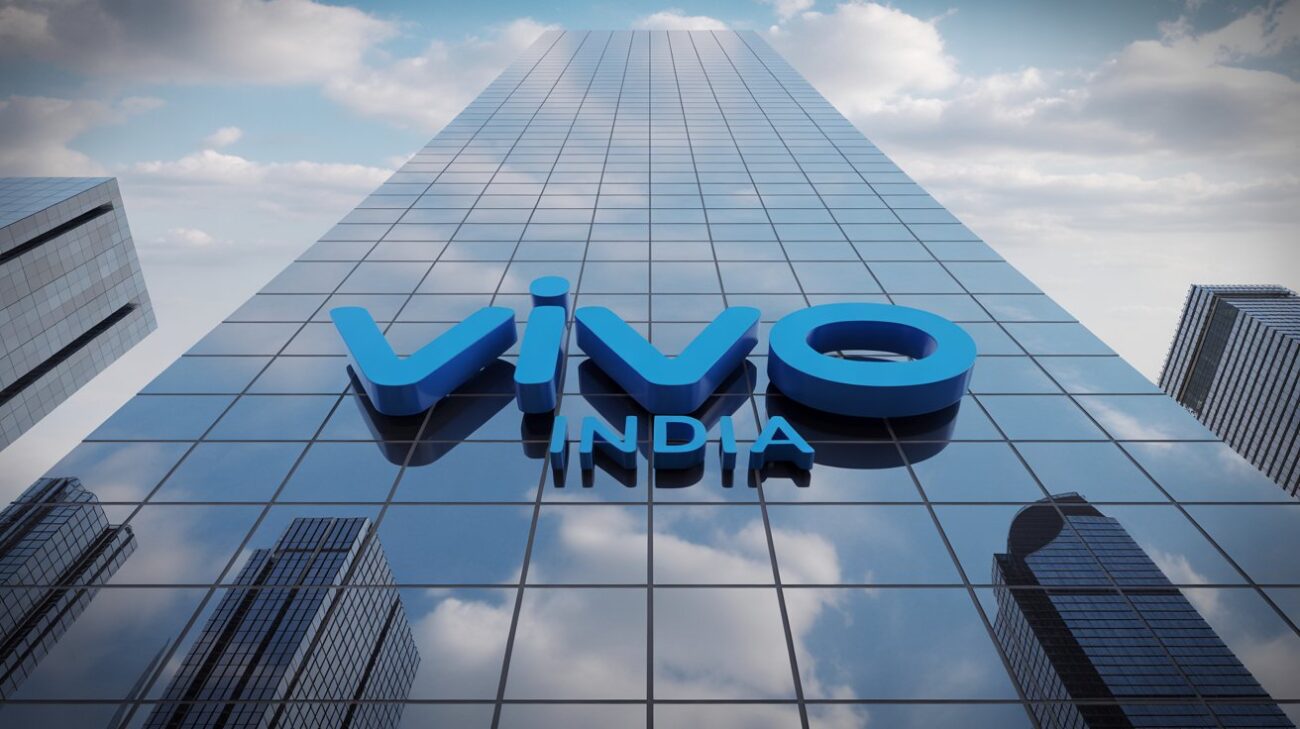
Types of Facade Signage
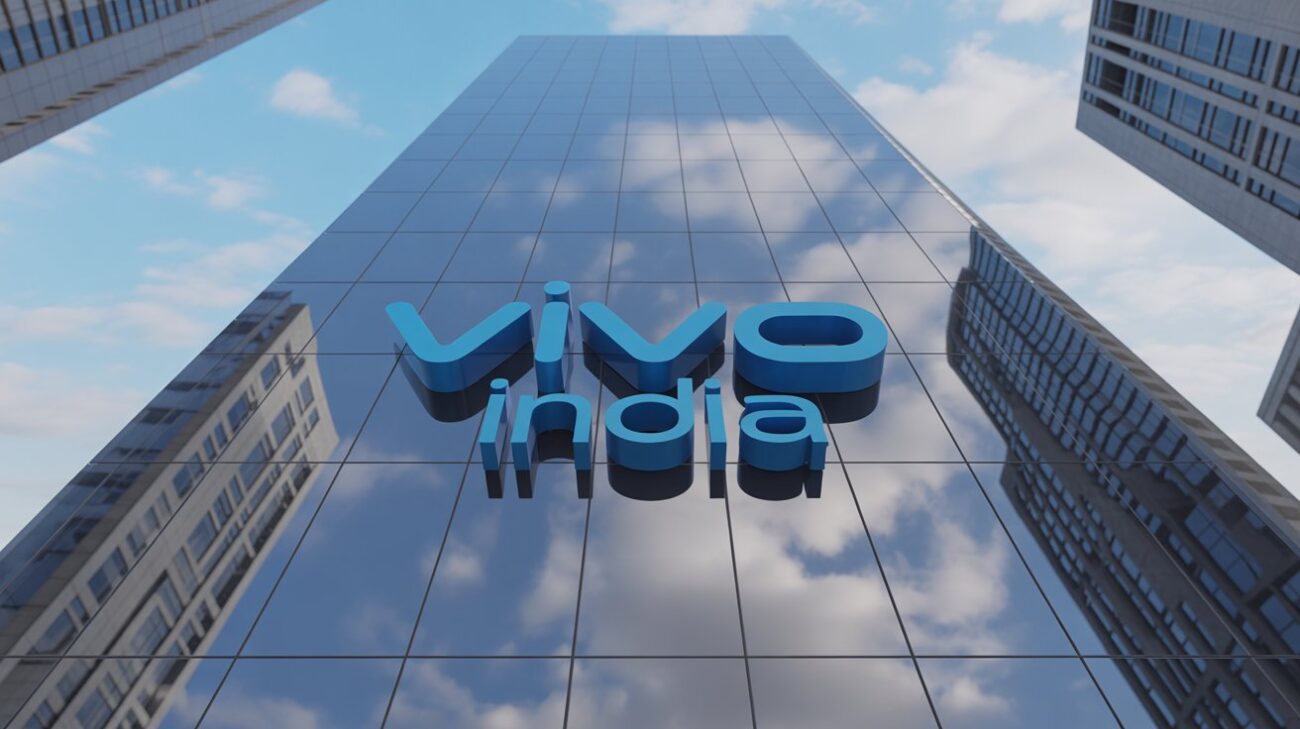
- Channel Letters: Individual, dimensional letters with internal lighting (LEDs) for high visibility.
- Dimensional Lettering: Raised letters that add texture and depth, often without internal lighting (e.g., metal or acrylic).
- Lightbox Signs: Illuminated boxes with translucent faces that display graphics or text.
- Halo/Backlit Signs: Letters with light that shines behind them, creating a glowing halo effect on the wall.
- Monument Signs: Freestanding signs, often integrated into a stone or masonry base, common for large properties.
Key Considerations
- Visibility: Signs must be legible from appropriate viewing distances, balancing size with available space.
- Placement: Should be unobstructed from main approach routes (roads, sidewalks).
- Architectural Integration: Signage should complement the building’s design, not overwhelm it.
- Durability: Must withstand outdoor elements like wind, rain, and sun.

Purpose
Aesthetics: Enhances the building’s overall appeal and design.
Facade signage is the face of a business on a building.
Branding: Establishes and promotes brand identity.
Identification: Clearly shows who or what is in the building.

Wayfinding: Helps visitors navigate.
This white blog explains facade signage end-to-end—from initial concept and design thinking to material selection, fabrication, and final installation—helping business owners, architects, and marketers make informed decisions.
In simple terms
Common purposes of facade signage Facade Signage Explained: From Concept to Installation

- Displays the business name, logo, or brand message
- Helps people easily locate the business
- Enhances the building’s appearance
- Creates a strong first impression
- Improves brand recall and trust
Examples of facade signage
- Channel letters (LED or non-LED)
- Acrylic or ACP sign boards
- Glow sign boards
- Backlit / halo-lit letters
- Digital LED display boards
- Dimensional letter signage
Why facade signage matters
A well-designed facade sign:
Adds professionalism and credibility
Attracts customers from a distance
Differentiates a business from competitors
Works 24/7 as a silent marketing tool
What Is Facade Signage?
Facade signage refers to branding elements installed on the front exterior of a building. These signs are designed to identify the business, enhance visibility, guide customers, and complement architectural aesthetics.
Facade signage serves multiple purposes:
- Brand identification
- Visual attraction and recall
- Directional clarity
- Architectural enhancement
Because of its visibility and permanence, facade signage must be planned strategically rather than treated as a last-minute add-on.
Phase 1: Concept & Brand Understanding
Every effective facade sign begins with a clear concept. This phase focuses on understanding the brand and its environment.
Key considerations:
- Brand personality (luxury, corporate, playful, minimal)
- Target audience and viewing distance
- Surrounding buildings and visual clutter
- Day and night visibility requirements
A strong concept ensures the signage aligns with the brand’s tone while standing out in its physical context.
Phase 2: Design & Visualization
Design is where strategy meets creativity. A well-designed facade sign balances legibility, aesthetics, and compliance.
Design elements include:
- Typography and font weight
- Color contrast for visibility
- Logo proportion and spacing
- Illumination style (front-lit, backlit, halo-lit)
Modern signage providers often use 3D renders and mockups to visualize how the signage will look once installed. This reduces errors and helps stakeholders approve designs confidently.
Phase 3: Choosing the Right Type of Facade Signage
Different business needs require different signage solutions.
Common facade signage options:
- Channel Letters: 3D illuminated letters for strong brand presence
- Acrylic LED Signs: Clean, modern, and cost-effective
- ACP Base Signs: Durable panels with raised lettering
- Halo-Lit Letters: Premium look with subtle back glow
- Digital Facade Signs: Dynamic messaging and promotions
Selecting the right type depends on budget, brand positioning, and architectural constraints.
Phase 4: Material Selection & Build Quality
Material quality determines both longevity and visual impact.
Common materials:
- Acrylic (UV-protected)
- Aluminum and stainless steel
- ACP sheets
- LED modules (energy-efficient)
High-quality materials resist weather damage, fading, and corrosion. While the structure of signage can last decades, lighting components usually require maintenance or replacement every 4–5 years.
Phase 5: Compliance & Approvals
Facade signage must comply with local municipal and zoning regulations.
Compliance factors:
- Size limitations
- Placement rules
- Illumination restrictions
- Structural safety standards
Professional signage companies handle drawings, permissions, and approvals to ensure hassle-free installation.
Phase 6: Fabrication & Installation
Fabrication involves precision cutting, finishing, wiring, and testing before on-site installation.
Installation best practices:
- Secure mounting without damaging the facade
- Proper electrical connections and waterproofing
- Accurate alignment and spacing
- Testing illumination in real conditions
Correct installation ensures safety, durability, and consistent brand appearance.
Maintenance & Long-Term Performance
Facade signage is a long-term investment and requires periodic care.
Maintenance essentials:
- Cleaning for dust and pollution
- LED performance checks
- Wiring and power inspections
Routine maintenance preserves brightness and professionalism, ensuring the sign continues to represent the brand effectively.
Emerging Trends in Facade Signage
- Minimalist and architectural designs
- Energy-efficient and sustainable lighting
- Smart signage with adaptive brightness
- Retro-inspired neon aesthetics
- Interactive signage using QR codes
These trends combine technology with design to enhance engagement while reducing operational costs.
Conclusion
Facade signage is a strategic blend of branding, engineering, and architecture. From concept to installation, every step plays a critical role in creating signage that is not only visually striking but also durable, compliant, and brand-aligned.
When executed correctly, facade signage becomes more than a sign—it becomes the face of the business, building trust and recognition every day.
Facade signage is the branding, lettering, or visual display mounted on the exterior face (the facade) of a building. It acts as a business’s “visual handshake,” serving as the primary point of contact between a brand and the public.
In 2025, facade signage has evolved beyond just a name on a wall into a high-tech, sustainable tool for building credibility and energy efficiency.
1. Popular Types of Facade Signage
- 3D Channel Letters: Individual, raised letters (often LED-lit) that provide depth and a premium feel.
- Blade/Projecting Signs: Mounted perpendicularly to the building, these are designed to catch the eye of pedestrians walking along the sidewalk.
- Lightboxes: Panels with internal lighting that ensure your brand is visible 24/7.
- Digital/LED Facades: High-tech screens or programmable lighting integrated into the architecture to show dynamic content or menus.
- Awnings & Canopies: Functional fabric or metal structures that provide shade while prominently displaying branding. Facade Signage Explained From Concept to Installation
- Facade Signage Explained From Concept to Installation Facade Signage Explained From Concept to Installation Facade Signage Explained From Concept to Installation Facade Signage Explained From Concept to Installation Facade Signage Explained From Concept to Installation Facade Signage Explained From Concept to Installation Facade Signage Explained From Concept to Installation Facade Signage Explained From Concept to Installation Facade Signage Explained From Concept to Installation Facade Signage Explained From Concept to Installation Facade Signage Explained From Concept to Installation Facade Signage Explained From Concept to Installation
2. Emerging Trends for 2025
- Sustainability first: There is a massive shift toward eco-friendly materials like bamboo, recycled aluminum, and biodegradable composites. Solar-powered illumination is also becoming a standard for “green” buildings.
- Minimalism & High Contrast: Modern designs are moving away from “busy” graphics in favor of clean lines, bold typography, and high-contrast color palettes (e.g., matte black with neon accents).
- Smart Integration: Signage is now being connected to IoT (Internet of Things), allowing businesses to change messages based on the time of day, weather, or local foot traffic.
- Biophilic Design: Integrating living greenery (vertical gardens) directly into or around the signage to create a welcoming, organic feel.
3. Key Benefits for Your Business
- Instant Credibility: High-quality signage tells customers you are a professional, established entity before they even walk in.
- Increased Foot Traffic: A well-designed facade can be the deciding factor for a passerby to choose your shop over a competitor.
- High ROI: Unlike digital ads that require recurring payments, a physical sign is a one-time investment that markets your business 24 hours a day for years.
- Wayfinding: It simplifies the customer journey by making your location easy to find in dense urban environments.
- Facade signage design
- Modern facade signage
- Wooden facade signage
- Facade signage template
- Facade signage images
- Facade signage meaning
- Facade sign design
- Facade sign ideas
- Wooden facade sign
- Facade sign template
- Façade signage meaning
- Facade Sign Mockup
- Facade sign images
- Pylon sign
Comparison of Signage Materials
| Material | Best For | Key Advantage |
| Aluminum | Long-term outdoor use | Rust-proof and very durable. |
| Acrylic | Illuminated signs | Distributes light evenly; sleek finish. |
| Stainless Steel | Luxury/Corporate branding | Highly weather-resistant; premium look. |
| Recycled Wood | Eco-friendly/Rustic brands | Sustainable; provides a warm aesthetic. |