Blog
Sign Boards Explained From Nameplates to LED Signs

A sign board is a visual display used to share information, Sign Boards Explained From Nameplates to LED Signs directions, or brand messages. It can be as simple as a nameplate or as advanced as an illuminated LED or neon sign. Sign boards are commonly made from materials like acrylic, metal, flex, or wood and are used in businesses, offices, and public spaces to attract attention, guide people, and build brand visibility.
Types of Sign Boards
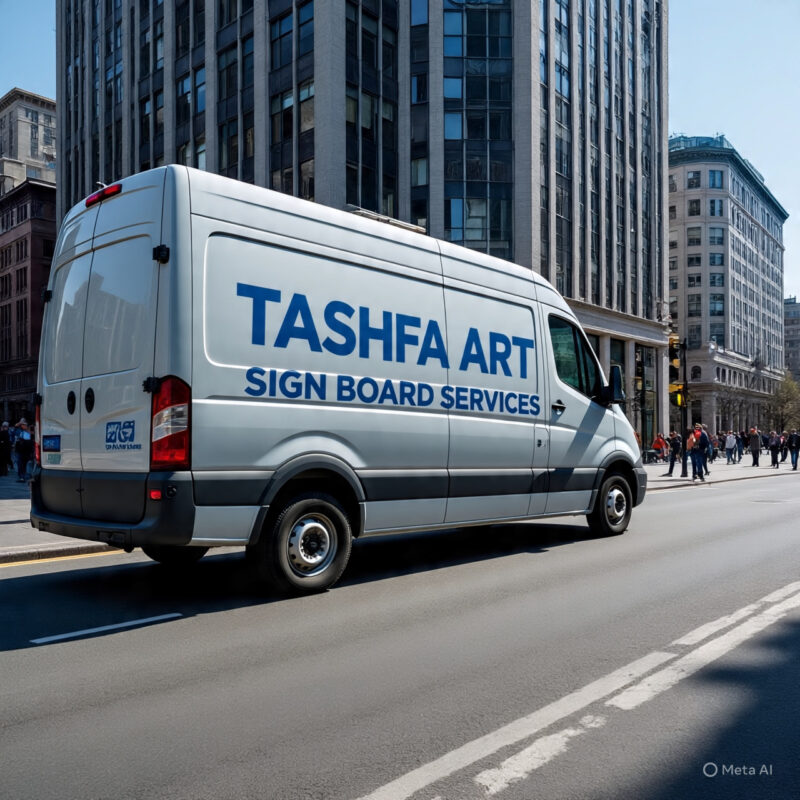
Flex Sign Boards
Lightweight and cost-effective, ideal for promotions and temporary displays. Available in multiple sizes and designs.
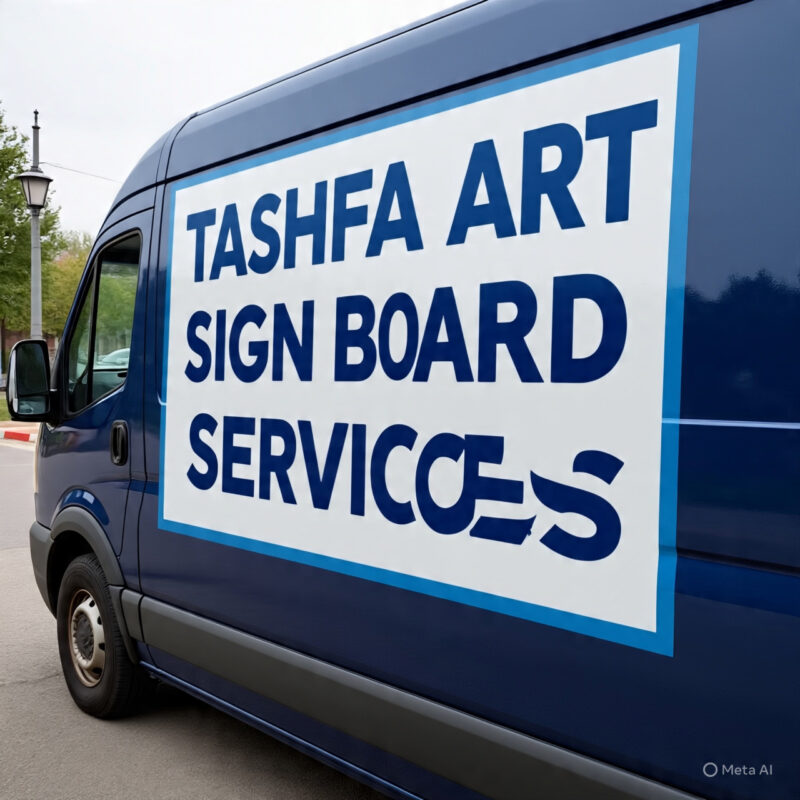
LED / Glow Sign Boards
Bright, eye-catching, and energy-efficient signs suitable for both indoor and outdoor use. Perfect for high visibility, day and night.
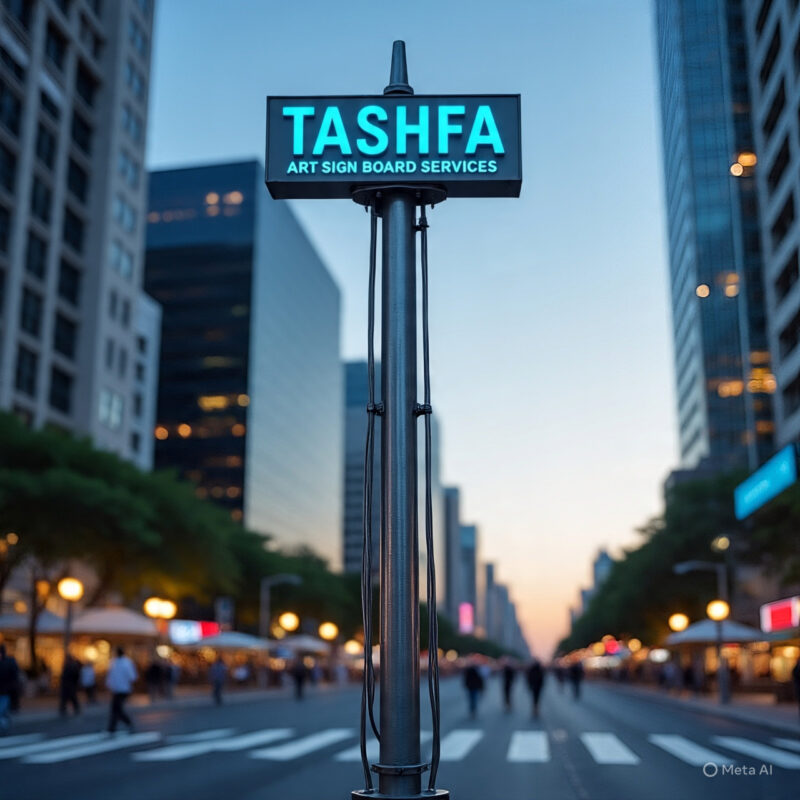
Acrylic Sign Boards
Known for their clean and premium look. Can be customized with printing, laser cutting, etching, or backlighting.
Metal Sign Boards
Strong and durable, often used for industrial areas, building facades, or premium branding applications.
Name Plates & Desk Signs
Compact signs used in offices, clinics, and homes, such as cabin nameplates or “In/Out” desk signs.
Directional & Informative Signs
Help guide visitors and customers by showing directions, facilities, or instructions like “Push/Pull” or “Toilet”.
Common Materials Used
- Acrylic
- Metal (Aluminum, Stainless Steel)
- Flex
- Sunboard (Foam Board)
- Wood
Each material is chosen based on location, durability, and design requirements.
Where Are Sign Boards Used?
Business Promotion
To advertise products, services, and offers while attracting customer attention.
Branding
To establish and strengthen brand identity in offices, stores, exhibitions, and events.
Navigation
To guide visitors in places like malls, hospitals, airports, and roads.
Information Display
To show announcements, safety instructions, or room and facility identification.
Tashfa Art, an industry-leading manufacturer based in Greater Noida, has mastered this delicate balance between traditional craftsmanship and modern technology. From intricate house nameplates to high-tech 3D LED installations, they have redefined how we view “signs.”
This comprehensive guide explores the world of Tashfa Art Sign Boards, breaking down everything from the humble nameplate to the high-impact LED display.
1. The Art of the First Impression: Nameplates
A nameplate is more than just a label; it is the “face” of a home or office. Tashfa Art specializes in creating bespoke nameplates that reflect the personality of the occupants.
Material Selection
- Acrylic Nameplates: Known for their glass-like finish but superior durability, acrylic plates are a top choice for modern apartments.
- Stainless Steel (SS): For those seeking a professional and sleek look, SS nameplates offer weather resistance and a timeless silver sheen.
- Brass & Copper: These materials offer a vintage, luxurious appeal, often used for heritage homes or upscale law firms.
Customization Options
Tashfa Art utilizes CNC Laser Cutting to ensure precision. Whether you want your family name in elegant calligraphy or a minimalist sans-serif font, the detailing is sharp and permanent.
2. Acrylic Sign Boards: The Modern Standard
Acrylic has become the “gold standard” in the signage industry due to its versatility. Tashfa Art’s acrylic sign boards are favored by retail brands and corporate offices alike.
Why Choose Acrylic?
- Weather Resistance: Unlike wood or low-grade plastics, high-quality acrylic does not yellow or crack under the sun.
- Color Depth: Acrylic can be manufactured in almost any hue, maintaining its vibrancy for years.
- Light Diffusion: It is the perfect medium for internal lighting, spreading light evenly without “hot spots.”
3D Acrylic Letters
One of Tashfa Art’s signature products is the 3D Acrylic Letter Board. By cutting individual letters and mounting them on a base (often ACP—Aluminum Composite Panel), they create a sense of depth that flat signs simply cannot match.
3. Illuminating the Brand: LED Sign Boards
If you want your business to be visible 24/7, LED signs are non-negotiable. Tashfa Art has pioneered several styles of illuminated signage that combine energy efficiency with high visual impact.
Types of LED Signs
- Front-Lit LED: The light shines through the face of the letters, making the brand name pop with bright, crisp colors.
- Back-Lit (Halo Effect): The LEDs are placed behind the letters, casting a soft glow onto the mounting surface. This creates a “halo” effect that is sophisticated and premium.
- Glow Sign Boards: Typically used for larger displays, these utilize a light box structure with a translucent face (Flex or Acrylic) to illuminate the entire board.
The Technical Edge
Tashfa Art uses IP65-rated LEDs, meaning they are dust-tight and protected against water jets. This ensures that a heavy monsoon doesn’t short-circuit your brand’s visibility.
4. Industrial & Specialized Signage: ACP and Beyond
For large-scale outdoor branding, durability is the primary concern. This is where ACP (Aluminum Composite Panel) sign boards come into play.
The ACP Advantage
ACP consists of two thin aluminum sheets bonded to a non-aluminum core. Tashfa Art uses this as a sturdy base for:
- Pylon Signs: Tall, freestanding signs found at petrol pumps or malls.
- Directional Signage: Essential for hospitals, universities, and large office complexes.
- Wayfinding: Helping visitors navigate complex environments while maintaining brand consistency.
5. Neon Signs: The Retro Comeback
Neon is back, but with a modern twist. Tashfa Art offers LED Neon Flex, which mimics the look of traditional glass neon tubes but is:
- Unbreakable: Made of flexible silicone.
- Energy Efficient: Uses up to 80% less power than traditional neon.
- Safe: Operates on low voltage and doesn’t get hot.
These are perfect for “Instagrammable” corners in cafes, home bars, or creative studios.
6. Why Tashfa Art? The Manufacturing Process
What sets Tashfa Art apart in a crowded market is their “end-to-end” approach.
Step 1: Design & Consultation
They work with clients to understand the brand’s “vibe.” A luxury jewelry store requires a different material palette than a rugged outdoor gear shop.
Step 2: Precision Cutting
Using automated CNC and Laser machines, the designs are translated onto the material with sub-millimeter accuracy.
Step 3: Assembly & Wiring
For LED projects, the wiring is handled by specialists to ensure longevity and safety. Every board undergoes a 48-hour burn test before delivery.
Step 4: Installation
A sign board is only as good as its mounting. Tashfa Art’s team ensures that the boards are securely installed, taking wind load and structural integrity into account.
Tashfa Art Sign Boards Explained: From Nameplates to LED Signs
In today’s competitive business environment, visibility is everything. No matter how good your product or service is, if people cannot find you or recognize your brand, growth becomes difficult. This is where sign boards play a crucial role. At Tashfa Art, we believe sign boards are not just boards with text — they are powerful branding tools that communicate identity, trust, and professionalism.
From simple nameplates to high-impact LED sign boards, signage has evolved into a complete visual communication system. In this blog, we explain everything you need to know about sign boards, their types, materials, uses, and why choosing the right signage partner like Tashfa Art can make all the difference. Sign Boards Explained From Nameplates to LED Signs Sign Boards Explained From Nameplates to LED Signs Sign Boards Explained From Nameplates to LED Signs Sign Boards Explained From Nameplates to LED Signs Sign Boards Explained From Nameplates to LED Signs Sign Boards Explained From Nameplates to LED Signs
What Is a Sign Board?
A sign board is a visual display used to convey information, directions, branding, or promotional messages. It may include text, graphics, symbols, or lighting elements and is installed in indoor or outdoor spaces. Sign boards help businesses attract attention, guide visitors, and establish a strong brand presence.
At Tashfa Art, we design and manufacture customized sign boards using premium materials such as acrylic, metal, ACP sheets, vinyl, flex, and LED modules, ensuring durability and aesthetic appeal.
Why Sign Boards Are Essential for Businesses
Sign boards serve multiple purposes beyond just displaying a business name. They are an essential investment for any organization.
1. Brand Identity
A professionally designed sign board reflects your brand’s personality. Fonts, colors, and materials all contribute to how customers perceive your business.
2. Visibility & Recognition
Eye-catching signage helps customers locate your business easily, even from a distance.
3. Marketing & Promotion
Sign boards work 24/7, promoting your brand without recurring costs.
4. Direction & Information
Directional and informational sign boards guide visitors smoothly through offices, malls, hospitals, and commercial spaces.
Types of Sign Boards Offered by Tashfa Art
1. Nameplates – Simple Yet Powerful
Nameplates are the most basic form of signage, commonly used for:
- Offices
- Homes
- Shops
- Cabins
- Departments
Materials Used:
- Acrylic nameplates
- Stainless steel nameplates
- Brass nameplates
- Wooden nameplates
Despite their simplicity, well-designed nameplates create a strong first impression.
2. ACP Sign Boards
ACP (Aluminium Composite Panel) sign boards are highly durable and widely used for outdoor branding.
Advantages:
- Weather-resistant
- Long-lasting
- Premium appearance
- Ideal for building facades
At Tashfa Art, ACP boards are combined with vinyl graphics, acrylic letters, or LED lighting for enhanced impact.
3. Acrylic Sign Boards
Acrylic sign boards offer a modern, glossy, and elegant look. They are perfect for:
- Corporate offices
- Retail stores
- Reception areas
- Interior branding
We provide:
- Flat acrylic boards
- Laser-cut acrylic letters
- Frosted and colored acrylic signs
4. Glow Sign Boards
Glow sign boards are internally illuminated sign boards that remain visible at night.
Popular Applications:
- Shop fronts
- Restaurants
- Showrooms
- Medical stores
These boards use LED lighting inside acrylic or flex material, ensuring bright visibility and energy efficiency.
5. LED Sign Boards
LED sign boards are among the most advanced and effective signage solutions available today.
Types of LED Sign Boards:
- Backlit LED sign boards
- Front-lit LED sign boards
- Edge-lit LED signs
- Digital LED display boards
Benefits:
- High brightness
- Low power consumption
- Long lifespan
- Modern and premium appearance
Tashfa Art specializes in custom LED sign board manufacturing in Noida and Greater Noida, tailored to business requirements.
6. 3D Letter Sign Boards
3D sign boards add depth and sophistication to your brand display.
Materials Used:
- Acrylic 3D letters
- Stainless steel letters
- Brass letters
- Aluminum letters
3D signage is ideal for:
- Corporate offices
- Building facades
- Reception walls
- Shopping malls
7. Facade Signage
Facade signage enhances the exterior appearance of buildings and creates strong brand recall.
Facade Signage Includes:
- ACP cladding with signage
- Large-format logo installations
- Backlit logo signage
- Architectural signage
Tashfa Art provides end-to-end facade signage solutions, from design to installation.
8. Flex Sign Boards
Flex sign boards are cost-effective and widely used for promotions and advertisements.
Best For:
- Temporary promotions
- Event branding
- Outdoor advertising
Although economical, we ensure high-quality printing and finishing for professional results.
9. Vinyl Signage & Graphics
Vinyl signage includes printed or cut vinyl graphics applied on:
- Glass surfaces
- Walls
- Vehicles
- ACP panels
Vinyl is ideal for branding, informational displays, and decorative purposes.
10. Directional & Wayfinding Sign Boards
Directional sign boards are essential in large spaces like:
- Hospitals
- Corporate offices
- Malls
- Educational institutions
They improve navigation and visitor experience while maintaining uniform branding.
Materials Used in Tashfa Art Sign Boards
We use premium-quality materials to ensure durability and performance:
- Acrylic
- ACP sheets
- Stainless steel
- Aluminum
- Brass
- Flex
- Vinyl
- LED modules
Each material is selected based on location, budget, design, and usage requirements.
Indoor vs Outdoor Sign Boards
Indoor Sign Boards
- Reception signage
- Office branding
- Wall graphics
- Nameplates
- Directional signs
Outdoor Sign Boards
- Shop signage
- LED boards
- Pylon & totem signs
- Building facade signs
- Roadside signage
Tashfa Art customizes signage to withstand weather, sunlight, dust, and pollution, especially for outdoor installations.
The Tashfa Art Design & Manufacturing Process
Step 1: Requirement Analysis
We understand your brand, location, budget, and purpose.
Step 2: Creative Design
Our designers create visually appealing and brand-aligned concepts.
Step 3: Material Selection
We choose the right materials for durability and aesthetics.
Step 4: Manufacturing
In-house fabrication ensures quality control and timely delivery.
Step 5: Installation
Professional installation ensures safety, alignment, and long-term performance.
Why Choose Tashfa Art for Sign Boards?
✔ Experienced signage manufacturer
✔ Customized solutions
✔ Premium materials
✔ Advanced LED technology
✔ Competitive pricing
✔ On-time delivery
✔ Expert installation team
Located in Greater Noida, Tashfa Art serves Noida, Greater Noida, Delhi NCR, and nearby regions.
Industries We Serve
- Retail & Showrooms
- Corporate Offices
- Hospitals & Clinics
- Restaurants & Cafes
- Educational Institutions
- Malls & Commercial Complexes
- Events & Exhibitions
Latest Trends in Sign Boards
- Minimalist designs
- Energy-efficient LED signage
- 3D logo installations
- Smart digital displays
- Eco-friendly materials
Tashfa Art stays updated with the latest signage trends to deliver modern solutions.
Maintenance & Longevity of Sign Boards
Proper maintenance increases lifespan:
- Regular cleaning
- LED inspection
- Secure fittings
- Timely repairs
Our sign boards are designed for long-term durability with minimal maintenance.
Conclusion: From Nameplates to LED Signs – One Trusted Partner
From a simple nameplate to a high-impact LED sign board, signage plays a vital role in business success. With the right design, material, and installation, a sign board becomes a powerful marketing asset.
At Tashfa Art, we combine creativity, technology, and craftsmanship to deliver sign boards that truly represent your brand. Whether you are starting a new business or upgrading your existing signage, we are here to help you stand out.
Contact Tashfa Art – Sign Board Experts
📍 Greater Noida, Uttar Pradesh
📞 99273 83779
📧 tashfaartindia@gmail.com
🌐 www.tashfaart.com
Tashfa Art Sign Boards Explained: From Nameplates to LED Signs
In the bustling landscape of urban commerce and identity, a sign board is far more than a mere marker. It is a first impression, a brand ambassador, a beacon in the night, and a statement of presence. In this intricate world of visual communication, one name that has carved a significant niche is Tashfa Art. But what lies behind this name? How does a company navigate the vast spectrum from classic brass nameplates to dynamic digital LED displays? This deep dive explores the universe of Tashfa Art sign boards, explaining their journey, their product ecosystem, and the technology and artistry that bridges traditional craftsmanship with futuristic innovation.
Part 1: The Tashfa Art Ethos – More Than Just a Sign
Before delving into products, understanding the philosophy is key. While “Tashfa Art” serves as our conceptual archetype for a full-service sign solution provider, it represents a paradigm of integrated sign manufacturing. The ethos of such a company is built on a foundational principle: Every space has a voice, and our job is to give it the right one.
This involves a trifecta of core competencies:
- Artistic Vision & Design: It starts with “Art.” This isn’t about just printing a logo. It’s about understanding a brand’s personality—is it authoritative, playful, luxurious, or eco-friendly? Translating that intangible essence into a tangible design requires artistic sensibility. Tashfa Art would likely employ designers who work closely with clients, transforming ideas into visual concepts, considering typography, color psychology, material texture, and illumination.
- Engineering & Durability: A beautiful sign that fades, cracks, or fails is a poor investment. The engineering side focuses on material science, structural integrity, weatherproofing (especially for outdoor signs), electrical safety for illuminated units, and compliance with local signage regulations. It’s the marriage of form and function.
- Technology & Innovation: To offer a range from nameplates to LED signs, a masterful command of both old-world techniques and cutting-edge technology is essential. This includes CNC routing, laser cutting, digital printing, neon bending, and software programming for LED content management.
This holistic approach allows a provider like Tashfa Art to be a one-stop solution, guiding a client from a raw idea to a perfect, installed sign, regardless of scale or medium.
Part 2: The Foundation – Nameplates and Architectural Signage
At the most personal and foundational level are nameplates and architectural signage. These are the signs of identity and authority, often perceived as permanent fixtures.
1. Nameplates:
These are the quintessential markers of individual or office identity. Tashfa Art’s portfolio here would showcase a reverence for materials and finish.
- Materials: Solid brass, stainless steel, aluminum, acrylic, and engraved wood.
- Techniques: Precision laser engraving that etches deep, lasting marks; chemical etching for a frosted, elegant finish; or classic raised-letter casting for a traditional, prestigious look.
- Application: Office doors, reception desks, corporate lobbies, awards, and residential gates. A brass nameplate on a CEO’s door speaks of tradition and stability, while a sleek, minimalist acrylic nameplate in a design studio speaks of modernity.
2. Architectural Directories and Wayfinding:
These are the silent guides within a building. A cohesive wayfinding system designed by Tashfa Art would ensure visual consistency (matching fonts, colors, icons) across all touchpoints—from the monument sign at the driveway to the floor directory in the lobby and the room signs down the hallway. Sign Boards Explained From Nameplates to LED Signs Sign Boards Explained From Nameplates to LED Signs Sign Boards Explained From Nameplates to LED SignsSign Boards Explained From Nameplates to LED Signs Sign Boards Explained From Nameplates to LED SignsSign Boards Explained From Nameplates to LED Signs Sign Boards Explained From Nameplates to LED Signs
- Types: Lobby directories (often with interactive touchscreens now), restroom signs, elevator identifiers, floor numbers, and fire exit signs.
- Importance: Beyond functionality, they contribute massively to the aesthetic and user experience of a building. A well-designed wayfinding system feels intuitive and reduces stress.
3. Memorials and Plaques:
This is where sign-making touches heritage. Crafting memorials, dedication plaques, or foundation stones requires a sensitive hand and durable materials like bronze or granite, capable of withstanding time and elements while honoring memory with dignity.
Part 3: The Visual Workhorses – Sign Boards, Hoardings, and Banners
Scaling up in size and public impact, we enter the realm of sign boards, hoardings, and banners. These are the primary tools for business identification and advertising.
1. Sign Boards (Fascia Signs):
These are the main identification signs for a shop, showroom, or office. Tashfa Art would craft these to be the face of the business.
- Fabricated Sign Boards: Using sheet metal (aluminum, galvanized iron), acrylic, or PVC, these are custom-built, often with 3D elements. Letters can be individually cut and mounted (channel letters) or the entire sign face can be a fabricated cabinet.
- Illuminated Options: Non-illuminated (for daytime presence), front-lit (with LEDs shining on the face), or back-lit (creating a halo effect, known as halo-lit or reverse-channel letters).
- Digital Printed Sign Boards: For more graphic-intensive faces, high-resolution UV prints on substrates like aluminum composite panel (ACP) or foam board are used. This is perfect for full-color logos, patterns, or photographic backgrounds.
2. Hoardings and Billboards:
The giants of advertising. These temporary or permanent large-scale structures are designed for maximum visibility from a distance.
- Construction: Often made from sturdy steel frames with faces of flex vinyl, printed and installed in large panels. Tashfa Art’s role encompasses design, printing, structural engineering for wind load, and safe installation.
- Innovation: The shift towards Digital Billboards (which we will cover under LED signs) is revolutionary, but traditional printed hoardings remain cost-effective for long-term campaigns at strategic locations.
3. Banners and Flex Prints:
The versatile and agile members of the sign family. Used for promotions, events, sales, and temporary information.
- Materials: Vinyl flex, mesh (for wind-permeable applications), and canvas for a more premium feel.
- Printing Technology: Large-format solvent, eco-solvent, or UV printing allows for vibrant, weather-resistant graphics. Tashfa Art would handle everything from graphic design to printing, hemming, and adding grommets for installation.
Part 4: The Illuminated Evolution – From Neon to LED Signs
Illumination transforms a sign from a daytime marker into a 24/7 ambassador. This is where technology has seen a dramatic shift.
1. The Classic: Neon Signs
There’s an undeniable, nostalgic art to neon. While less common now due to efficiency, Tashfa Art might preserve this craft for clients seeking a vintage, authentic glow.
- Process: Involves skilled glass bending by an artisan, electrode attachment, vacuuming, and filling with noble gases (neon for red/orange, argon/mercury for blues).
- Aesthetic: Offers a soft, warm, and continuous glow that digital LEDs still struggle to perfectly replicate. Ideal for retro bars, cafes, or as an artistic statement.
2. The Modern Standard: LED Sign Boards
Light Emitting Diodes (LEDs) have revolutionized sign illumination. They are energy-efficient, long-lasting, vibrant, and incredibly versatile.
- LED Illuminated Letters & Cabinets: This is the most common modern business sign. LEDs are placed inside channel letters or sign cabinets. Options include:
- Front-Lit: LEDs shine through a colored acrylic face.
- Back-Lit (Halo-Lit): LEDs face the mounting surface, creating a beautiful illuminated halo around the letters.
- Open-Face: LEDs are visible, creating a bold, modern look.
- Advantages: Low power consumption, minimal heat, durability, and a wide range of colors (including RGB for color-changing effects).
Part 5: The Digital Frontier – LED Display Screens
This is the apex of dynamic signage. Moving beyond static illumination, LED Display Screens are pixel-based screens that can show moving videos, animations, text, and images.
1. Types of LED Displays:
- Indoor LED Displays: Used in corporate lobbies, control rooms, retail stores, and conferences. They have fine pixel pitches (e.g., P2, P3) for close viewing distances, offering crystal-clear images even up close.
- Outdoor LED Displays: The giant screens seen on building facades, at stadiums, or as digital billboards. They have higher brightness (nits) to combat sunlight and coarser pixel pitches (e.g., P6, P10) as they are viewed from afar.
- Transparent LED Screens: A cutting-edge innovation where LEDs are mounted on a transparent mesh. When off, they are nearly invisible; when on, they display content while allowing viewers to see through them. Perfect for store windows or architectural integrations.
2. The Tashfa Art Value-Add in Digital Displays:
A provider doesn’t just sell a screen; they provide a solution.
- Consultation: Advising on pixel pitch, size, and brightness based on viewing distance and ambient light. Sign Boards Explained From Nameplates to LED Signs
- Content Management: Providing and training on software that allows easy scheduling and updating of content—crucial for restaurants, retail, or corporate communications.
- Integration: Seamlessly fitting the display into the architectural fabric, whether it’s a curved video wall in a showroom or a massive perimeter screen on a building.
Part 6: The Journey with a Client – A Seamless Process
So, how does a client navigate this vast menu? A company like Tashfa Art excels by providing a streamlined, professional journey: Sign Boards Explained From Nameplates to LED Signs
- Consultation & Concept: Understanding the client’s business, target audience, location, budget, and vision.
- Design & Visualization: Creating digital mock-ups and 3D renderings to show exactly how the sign will look in its intended environment.
- Material & Technology Selection: Recommending the optimal combination of materials and illumination based on durability, aesthetics, and cost.
- Fabrication & Production: The craftsmen and technicians take over, whether in the metal workshop, the print room, or the LED assembly station.
- Quality Assurance: Rigorous checks for finish, structural integrity, electrical safety, and pixel functionality (for LEDs).
- Installation & Commissioning: Professional installation by trained teams, ensuring safety and perfection. For digital signs, this includes setting up the content management system.
- After-Sales Support: Maintenance contracts, especially for complex LED displays, ensuring longevity and performance.
Conclusion: The Unified Language of Space
From the silent, dignified authority of a brass nameplate to the pulsating, dynamic storytelling of a giant LED video wall, Tashfa Art represents the capability to speak every dialect in the language of spatial communication. They are not just sign-makers; they are brand translators, environmental graphic designers, and technological integrators.
In an increasingly competitive and visually saturated world, your sign is your handshake with the public. It can whisper exclusivity, shout a promotion, or guide a visitor with quiet efficiency. Understanding the full spectrum—from traditional nameplates to futuristic LED signs—empowers businesses to choose not just a sign, but the right voice for their space. It demonstrates that in this field, art and technology are not opposites; they are essential partners in crafting identity, one sign at a time. Whether you need to etch your name in metal or broadcast your vision in light, the philosophy remains the same: to create not just a sign, but a lasting impression.